
A new bill introduced in the California legislature proposes to overhaul the state’s product recall liability framework—and depending on where you sit in the supply chain, the consequences could be far-reaching. Assembly Bill 2462 would amend the state’s Product Recall Safety and Protection Act to redefine who qualifies as a “manufacturer,” broaden the scope of cost-free recall obligations, and dramatically increase penalties for violations. Introduced by Assembly Member Pellerin on February 20, 2026, the bill’s provisions would apply across the consumer product supply chain, touching manufacturers, importers, distributors, wholesalers, retailers, and, most notably, brand licensors.

Continue Reading The Hidden Recall Risk in Your Licensing Agreement: What California’s Assembly Bill 2462 Could Mean for Your Business

From Toxic Substances Control Act (TSCA) reporting on PFAS to increasing U.S. state-level requirements around chemicals in products, manufacturers, retailers, and suppliers are required to understand the makeup of the products they sell, down to a molecular level. From their position downstream of complex supply chains, retailers must implement and manage the data gathering and supply chain verification necessary to meet these reporting obligations. 

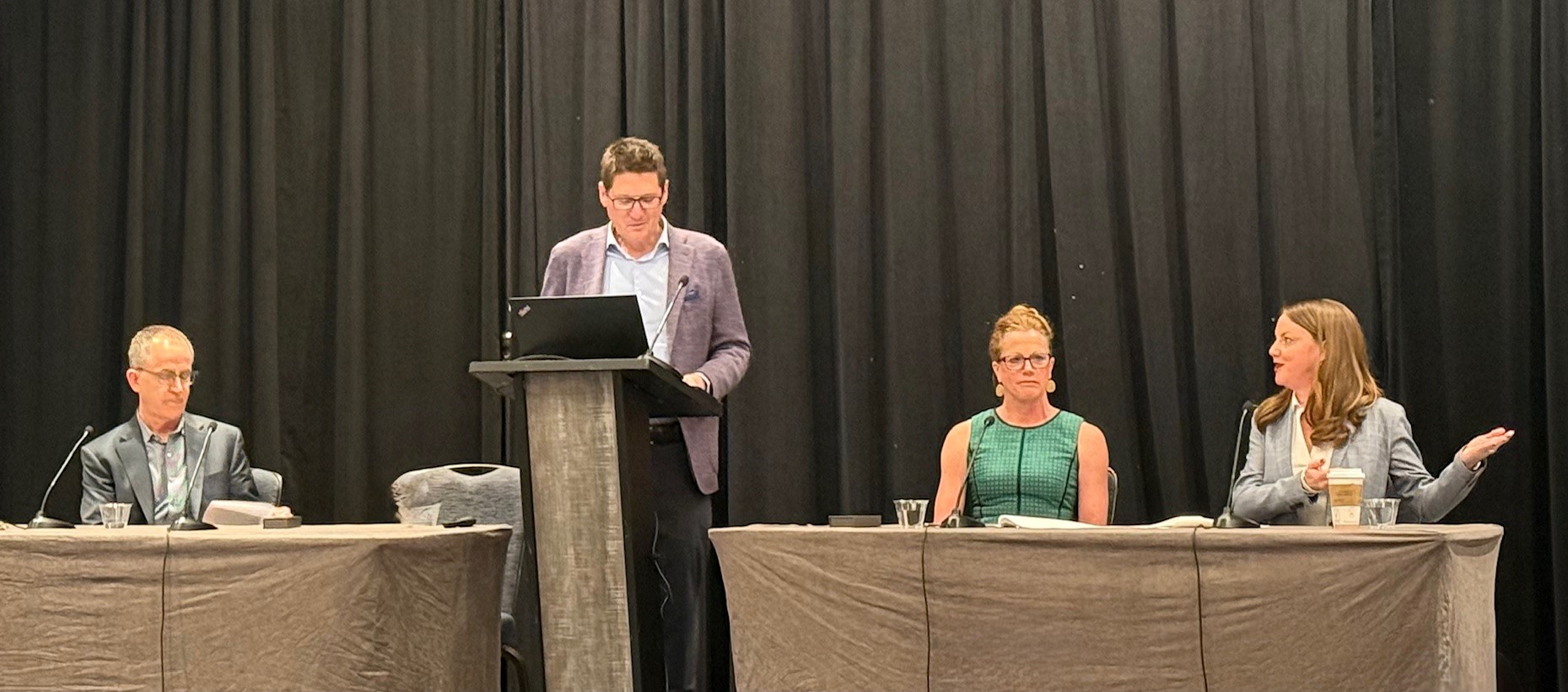
As our panelists at the ICPHSO Annual Meeting and Training Symposium made clear, the world of chemical reporting is growing more complex every year, posing new challenges — and opportunities — for everyone from manufacturers and retailers to regulators and consumers. 

The panel was moderated by Luisa Lobo of the Retail Industry Leaders Association with speakers Amy Symonds of Crowell & Moring, Travis Sjostrom of Best Buy, and Krystal Spickler of UL Solutions. 

Here are the four key areas discussed. 

Continue Reading The Ever-Expanding Chemical Reporting Universe at ICPHSO: A Look at Reporting Requirements and Approaches 

Innovation is a word that carries real weight in product safety. Is there an emerging “duty to innovate” — a duty to proactively adopt feasible, safer technologies — or is innovation simply a good practice that may also reduce risk? That is exactly what a panel of industry and legal professionals tackled at this year’s ICPHSO Annual Meeting & Training Symposium, with the goal of surfacing a practical toolkit for product safety professionals on when to push innovation, how to document feasibility and tradeoffs, and how to navigate regulatory momentum without stalling products that should go to market.

The panel brought together four voices with rare depth across law, engineering, and corporate governance: Kyran Hoff of GE Appliances, Meghan McMeel of Crowell & Moring, John McNulty of Google LLC, and moderator George Wray of Borden Ladner Gervais LLP.

Here are the four key themes that shaped the conversation.

Continue Reading Is There a Duty to Innovate? Key Takeaways From ICPHSO’s Most Timely Panel